Scott Cawthon Net Worth In 2026: Five Nights At Freddy’s Royalties And Earnings Explained
If you’re searching Scott Cawthon net worth, you’re probably wondering how an indie developer turned a small horror game into a global franchise that still prints money years later. The short answer is: Scott Cawthon’s wealth is driven less by “one big paycheck” and more by ownership—the kind that keeps paying through game sales, licensing, books, merchandise, and movie/TV deals.
Because Cawthon is private and most contracts aren’t public, you won’t find a single net worth figure that’s fully verified. Still, a realistic way to frame it in 2026 is that he’s very likely worth tens of millions of dollars, with some estimates online placing him even higher depending on how they value the Five Nights at Freddy’s brand and his ownership position.
Quick Facts About Scott Cawthon
- Full name: Scott Braden Cawthon
- Known for: Creating Five Nights at Freddy’s (FNAF)
- Primary job: Game developer, writer, creator, and franchise owner
- Breakout year: 2014 (first FNAF game)
- Franchise expansion: Sequels, spin-offs, books, merch, and films
- Public career shift: Stepped back from public game development in 2021
- Why his net worth is hard to pin down: Private contracts + private ownership + ongoing royalties
Who Is Scott Cawthon?
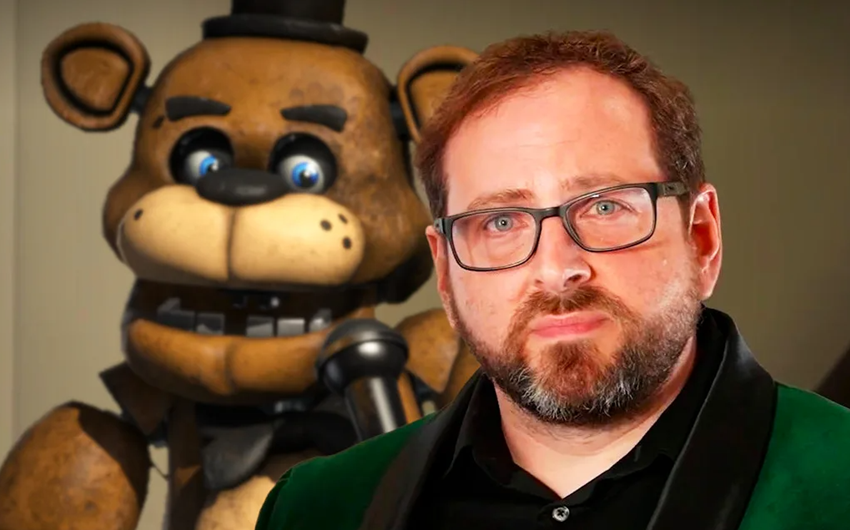
Scott Cawthon is the creator of Five Nights at Freddy’s, one of the most successful indie horror franchises ever. Before FNAF became a pop-culture monster, he was a developer making smaller projects and learning the business the hard way. Then he hit the rare jackpot: he created a simple concept with an instantly recognizable hook—creepy animatronics, a security office, limited resources, and a constant sense of dread.
What made FNAF different wasn’t just the game mechanics. It was the lore. The story was mysterious enough to spark endless theories, YouTube breakdowns, and fan communities that turned the franchise into a self-sustaining machine. In other words, he didn’t just sell a game—he built a world people wanted to live inside (even if it terrified them).
Scott Cawthon Net Worth In 2026 A Realistic Range
In 2026, the most realistic way to describe Scott Cawthon net worth is tens of millions of dollars. Some online estimates go much higher, but those numbers often rely on speculation rather than documentation.
Why “tens of millions” is a sensible baseline:
- FNAF is not a one-time success. It’s a long-running franchise with multiple revenue channels.
- Ownership creates compounding income. If you own the IP (or a major share), you get paid repeatedly.
- The franchise expanded beyond games. Books, merch, and films create brand-wide royalties.
- Major adaptations increase IP value. A successful film boosts licensing potential even more.
So even though no public ledger confirms a single number, it’s fair to say Cawthon is not just “rich for a game developer.” He’s wealthy in a way that usually only happens when a creator owns a global entertainment property.
How Scott Cawthon Makes His Money
To understand his wealth, you have to understand the difference between earning and owning. A developer who gets paid to build a game earns once. A creator who owns a franchise earns again and again. Scott Cawthon’s fortune is mostly the second kind.
1 Game Sales And Digital Downloads
The original FNAF games were relatively inexpensive, which helped them spread quickly. When a game is cheap, scary, and streamable, it becomes perfect for word-of-mouth. Millions of players discovered the series through YouTubers and Twitch creators, and that visibility turned into real sales.
Even if the earliest games aren’t “new” anymore, they can still earn money through:
- digital storefront sales (PC and console)
- bundles and franchise collections
- ports to new platforms over time
- new fans discovering the series after a movie or book release
Franchises don’t just make money at launch. They make money whenever a new audience arrives—and FNAF keeps recruiting new audiences.
2 Royalties From Licensing The FNAF Brand
This is where things get serious. Licensing is the quiet wealth-builder behind many mega-franchises. When a brand becomes iconic, companies pay to put it on products and experiences.
FNAF licensing can include:
- toys and collectibles
- apparel and accessories
- posters, school supplies, and novelty items
- digital products and collaborations
When you see a franchise everywhere, that’s licensing working. And licensing usually pays out through royalties—meaning income can continue with minimal day-to-day work from the original creator (depending on how deals are structured).
3 Book Publishing And Story Expansion
The FNAF books added a whole new layer of earnings. Publishing brings money through:
- advances (upfront payments for book deals)
- royalties (money earned per book sold after thresholds)
- international editions and translations
- spin-off potential and cross-promotion with games and films
Books also do something important to a franchise: they deepen the lore, which keeps the fanbase engaged and constantly searching for new clues. That engagement fuels everything else—game sales, merch sales, and overall brand value.
4 Film And Media Deals
A film adaptation can be one of the biggest financial multipliers for an IP. It introduces the story to people who never play games, and it turns a niche fandom into a mainstream audience.
Cawthon’s money from films can come from multiple angles:
- producer payments
- writing/screen story compensation
- backend participation (depending on the deal)
- IP licensing fees for adaptation rights
Even when a creator isn’t getting a massive Hollywood paycheck, a successful movie often boosts the entire franchise ecosystem—meaning the creator earns indirectly through increased sales across games and merchandise.
5 Long-Term Franchise Oversight And Creative Control
Scott Cawthon publicly stepped back from being the day-to-day face of game development in 2021, but FNAF didn’t stop. That’s an important clue about how major IP works: once a franchise is big enough, it becomes a system with multiple teams.
When a creator retains a strong ownership role, they can still earn from the brand’s output even if they aren’t personally coding every new release. That’s why retirement doesn’t automatically mean “income stops.” With IP ownership, income can continue while involvement becomes lighter.
Why Scott Cawthon’s Net Worth Is So Hard To Confirm
If you’ve noticed that net worth sites wildly disagree, that’s normal for creators who aren’t public-facing with finances. Here’s why the internet can’t settle on one number:
- Private companies don’t publish earnings. There’s no public statement of his royalties.
- IP ownership is complex. The value depends on rights, partners, and contract splits.
- Film deals can be structured in many ways. A creator might earn upfront, backend, or both.
- Franchise value isn’t the same as personal wealth. A brand can be worth huge money while the creator’s liquid assets are smaller.
So when you see a precise number like “$93,214,876,” treat it like entertainment, not accounting.
What Likely Increased His Wealth After The Early Games
Many people assume his biggest earning period was 2014–2016 when the games exploded. That was huge, but the bigger wealth-building move was what came after: turning a hit game into a multi-format franchise.
The money tends to grow when you add:
- merch licensing
- book publishing
- long-term brand partnerships
- film adaptations
- new releases that keep the franchise culturally relevant
That’s how you go from “successful indie creator” to “franchise owner with generational wealth potential.”
Scott Cawthon’s Lifestyle And Privacy
Cawthon is known for being private, and that has shaped the public’s understanding of his wealth. He doesn’t live like a typical celebrity influencer with constant luxury posts, which makes people underestimate him financially. But quiet wealth is still wealth.
Also, creators who became wealthy from IP often put money into long-term assets—real estate, conservative investments, and trusts—because the smartest goal isn’t just to get rich. It’s to stay rich when the spotlight moves on.
What Could Change Scott Cawthon’s Net Worth Going Forward?
In 2026 and beyond, his net worth will likely rise or fall based on a few key factors:
- the continued success of new FNAF games and spin-offs
- how well film sequels and related media perform
- the strength of licensing and merchandise demand
- how much ownership he retains long-term
If the franchise continues expanding across media, the IP value can grow massively. And if he maintains ownership in a meaningful way, his personal wealth can grow right alongside it.
Bottom Line
Scott Cawthon net worth in 2026 is best understood as tens of millions of dollars, built primarily through ownership of the Five Nights at Freddy’s franchise. His wealth comes from game sales, licensing and merchandise royalties, book revenue, and film/media deals—plus the long-term power of controlling a world-famous horror IP. Even though he stepped back publicly from game development in 2021, the franchise continues to earn, and that ongoing ecosystem is the real reason his fortune is so substantial.
Featured image source: https://nintenduo.com/scott-cawthon-creador-fnaf-primer-video-despedida-matpat/